Breaking bad
Breaking bad
Breaking bad
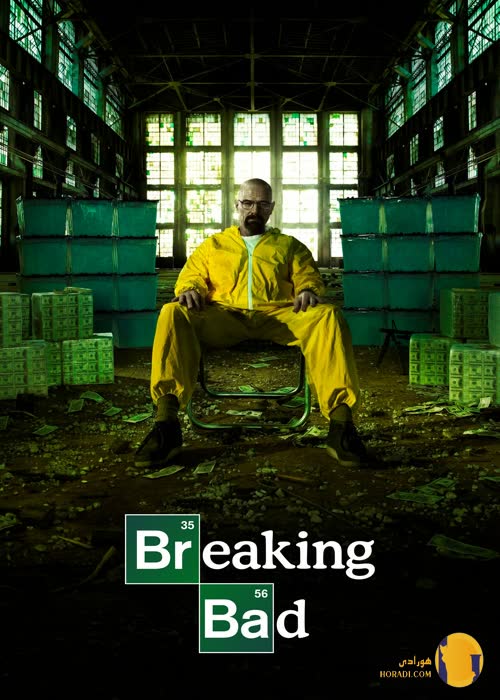
Few television shows in modern history have reached the cultural impact, critical acclaim, and enduring legacy of Breaking Bad. Created by Vince Gilligan and first airing on AMC in 2008, the series transformed from a modest crime drama into a worldwide phenomenon. Over the course of five seasons and 62 episodes, Breaking Bad explored morality, power, family, and the devastating consequences of ambition. Today, the series is not only remembered as one of the greatest TV shows of all time but also as a pop culture landmark that changed how audiences view serialized storytelling.
This article offers a complete exploration of Breaking Bad its story, characters, production, cultural influence, and why it remains a masterpiece of modern television.
Overview of Breaking Bad
At its core, Breaking Bad tells the story of Walter White, a struggling high school chemistry teacher in Albuquerque, New Mexico. After being diagnosed with terminal lung cancer, Walter makes a life-altering decision to use his scientific expertise to manufacture methamphetamine. With the help of his former student Jesse Pinkman, Walter enters the criminal underworld, hoping to secure financial stability for his family before his death. However, as the series unfolds, Walter’s transformation from a humble teacher into the ruthless drug kingpin “Heisenberg” becomes the central narrative.
Plot Summary (potential spoiler alert)
Season 1
The first season introduces Walter White as a man whose life is filled with quiet desperation. Facing cancer, mounting medical bills, and the prospect of leaving his wife Skyler and son Walter Jr. without support, he partners with Jesse Pinkman. They begin cooking meth in a mobile RV, leading to early conflicts with small-time dealers and the violent Tuco Salamanca. The tone of Season 1 is both darkly comedic and suspenseful, laying the foundation for Walter’s descent.
Season 2
As Walter and Jesse attempt to expand their operation, their actions create ripple effects with tragic consequences. The season builds toward the infamous plane crash over Albuquerque, symbolizing how Walter’s personal choices cause unintended destruction. His double life becomes harder to conceal, leading to strain with Skyler and close encounters with his DEA brother-in-law, Hank Schrader.
Season 3
The third season marks Walter’s deeper entanglement with organized crime. The introduction of Gustavo “Gus” Fring, a calm and calculating drug lord, provides Walter with both opportunity and danger. Jesse struggles with guilt after the death of Jane Margolis, while Walter’s ego begins to overshadow his original motives.
Season 4
Season 4 is widely regarded as one of the greatest seasons of television ever produced. It revolves around the tense battle of wits between Walter and Gus Fring. Every episode builds toward the explosive finale, where Walter orchestrates Gus’s shocking death using a homemade bomb. This victory cements Walter’s complete transformation into Heisenberg.
Season 5
The final season completes Walter’s tragic arc. With Gus out of the way, Walter builds his meth empire on a larger scale than ever before. However, greed, pride, and paranoia unravel everything he has built. Jesse becomes disillusioned, Hank finally discovers Walter’s secret, and the once “family man” becomes an outlaw on the run. The series concludes with Walter’s final act rescuing Jesse and dying in the meth lab that symbolizes his empire. His journey from sympathetic teacher to villain is both complete and unforgettable.
Characters
Walter White (Bryan Cranston)
Walter is the heart of Breaking Bad. His transformation is often described as one of the most compelling character arcs in television history. Initially sympathetic, his choices reveal darker truths about human nature pride, ambition, and the corruption of morality. Bryan Cranston’s performance earned him multiple Emmy Awards.
Jesse Pinkman (Aaron Paul)
Originally meant to die in the first season, Jesse became the emotional core of the series. As Walter’s partner and surrogate son, he embodies the conscience of the story. His struggle with guilt, addiction, and morality makes him one of TV’s most beloved characters.
Skyler White (Anna Gunn)
Skyler, Walter’s wife, is a complex character often misunderstood by audiences. She struggles with loyalty, morality, and survival while navigating her husband’s double life. Anna Gunn’s portrayal brought nuance to a character caught between family and crime.
Hank Schrader (Dean Norris)
As a DEA agent and Walter’s brother-in-law, Hank represents the law’s pursuit of justice. His eventual discovery of Walter’s true identity creates some of the most tense episodes in television.
Saul Goodman (Bob Odenkirk)
Saul, the morally flexible lawyer, provides comic relief while also serving as a crucial figure in Walter’s operation. His popularity led to the successful spin-off Better Call Saul.
Gustavo Fring (Giancarlo Esposito)
Gus is one of television’s most iconic villains. His calm demeanor, business-like approach to crime, and ruthless tactics make him a formidable adversary.
Themes and Symbolism
Breaking Bad is rich with themes and metaphors.
- Transformation Walter’s journey reflects the idea that anyone can break bad given the right circumstances.
- Pride and Ego Walter claims he is motivated by family, but ultimately his pride drives his downfall.
- Morality and Consequences Every decision has a ripple effect, seen most tragically in the deaths caused by Walter’s choices.
- Duality of Identity The contrast between Walter White and Heisenberg highlights the dual nature of human beings.
- Color Symbolism The show uses colors to reflect mood and character evolution, such as Walter’s green (greed, money) or Skyler’s blue (loyalty, sadness).
Critical Reception
From its debut, Breaking Bad received critical acclaim for its writing, acting, and cinematography. By its final season, it was regarded as one of the greatest television series ever made. The finale “Felina” achieved near-universal praise for delivering a satisfying conclusion. The series has a 96% rating on Rotten Tomatoes and multiple Emmy Awards, including Best Drama.
Cultural Impact
The influence of Breaking Bad extends beyond television
- The phrase “I am the one who knocks” became iconic.
- The blue meth candy (actually rock candy) became a pop culture symbol.
- The success of the show boosted Albuquerque’s tourism and local economy.
- It paved the way for darker, morally complex TV dramas.
- Its spin-offs, especially Better Call Saul and El Camino, expanded the universe.
Why Breaking Bad is Considered a Masterpiece
- Character Depth Every character evolves realistically.
- Narrative Structure Each season feels like a complete story arc, while contributing to the larger narrative.
- Visual Storytelling Cinematic shots, symbolism, and creative direction elevate the show beyond typical television.
- Moral Complexity Viewers are challenged to empathize with flawed characters.
- Pacing Slow-burn tension leads to explosive payoffs.
Breaking Bad and SEO Popularity
Search trends show that Breaking Bad remains one of the most searched TV shows even years after its finale. Keywords like Breaking Bad characters, Breaking Bad ending explained, and Breaking Bad best episodes consistently rank high, proving its enduring relevance. The show is also a common reference in discussions about the “golden age of television.”
Legacy
Today, Breaking Bad is not just remembered as a show but as a cultural milestone. Its legacy continues through academic analysis, online discussions, memes, and the ongoing success of Better Call Saul. Walter White and Jesse Pinkman have become timeless icons of modern storytelling.
Conclusion
Breaking Bad is more than a TV drama—it is a study of human nature, ambition, and morality. Vince Gilligan’s masterpiece blends crime, family drama, and Shakespearean tragedy into one unforgettable narrative. With its unforgettable characters, cinematic direction, and cultural impact, Breaking Bad stands as one of the greatest achievements in television history.
For anyone seeking to understand the power of storytelling on screen, Breaking Bad is essential viewing. It is not just about a chemistry teacher who becomes a meth kingpin—it is about the choices we make, the identities we create, and the consequences that define us.