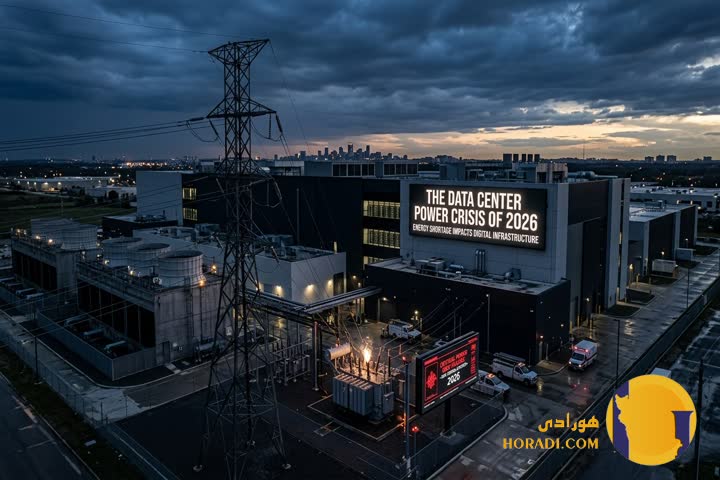
The Data Center Power Crisis of 2026

The global technology industry entered 2026 facing an unexpected bottleneck. While artificial intelligence accelerated innovation at record speed, power availability emerged as the industry’s biggest challenge. The result is what many analysts now call the Data Center Power Crisis of 2026.
Modern AI systems require enormous computational resources to train and operate. That demand translates directly into unprecedented electricity consumption across hyperscale facilities worldwide. Utilities, governments, and technology companies are now racing to adapt.
Power constraints are no longer a future concern for infrastructure planners. They have become a present-day economic issue affecting cloud providers, enterprises, and investors alike. The next decade of digital growth may depend on solving this energy challenge. Technology News
Key Takeaways
- AI data centers are consuming electricity at historic levels.
- Power availability has become a major factor in data center site selection.
- Utilities face growing pressure to expand generation and grid capacity.
- Nuclear, natural gas, solar, and battery storage are gaining renewed attention.
- Hyperscalers are investing billions in energy infrastructure.
- Data center construction timelines are increasingly limited by power access.
- Energy efficiency is becoming a competitive advantage.
- Governments are reevaluating energy and industrial policies.
- Investors are closely watching utility and infrastructure opportunities.
- The power crisis could shape the future of AI development globally.
Understanding the Data Center Power Crisis
The phrase Data Center Power Crisis describes a mismatch between energy demand and available electricity supply. AI infrastructure expansion is occurring faster than many regional grids can accommodate. This imbalance has become increasingly visible throughout 2025 and 2026.
Traditional cloud workloads already required substantial electricity resources. Generative AI models significantly increased computational intensity across the industry. As a result, power demand forecasts have been revised sharply upward.
Many utilities expected gradual growth in electricity consumption. Instead, AI accelerated demand projections by years or even decades in some regions. Grid operators are struggling to keep pace with infrastructure requirements.
The issue extends beyond energy generation alone. Transmission lines, substations, transformers, and distribution networks require major upgrades. These infrastructure bottlenecks contribute significantly to deployment delays.
How Artificial Intelligence Changed Energy Demand
AI training clusters require thousands of advanced processors operating continuously. These systems consume substantial amounts of electricity during model development. Larger models amplify power requirements even further.
Inference workloads are becoming another major energy challenge. Millions of users interact with AI systems daily across search, productivity, and automation platforms. Serving these requests requires persistent computing resources.
The industry’s focus has shifted from computational capability alone. Organizations must now evaluate power availability alongside hardware procurement strategies. Energy planning has become a strategic business function.
Key AI energy drivers include
| Driver | Impact |
|---|---|
| Model Training | Extremely high compute demand |
| AI Inference | Continuous power consumption |
| GPU Clusters | Dense energy usage |
| Cloud Expansion | Increased infrastructure footprint |
Why Utilities Are Struggling to Keep Up
Electric utilities traditionally planned capacity expansions over long timelines. The AI boom compressed those expectations into a much shorter period. Demand forecasts suddenly became more aggressive.
Many regions face lengthy approval processes for new energy projects. Permitting requirements often delay generation facilities and transmission upgrades. These delays create additional pressure on electricity markets.
Utilities also face equipment shortages across critical infrastructure segments. Transformers, switchgear, and transmission components remain in high demand. Supply-chain constraints continue affecting deployment schedules.
Financial considerations add another layer of complexity. Large infrastructure investments require regulatory approval and capital commitments. Balancing reliability and affordability remains a difficult challenge.
The Rise of Hyperscale Data Centers
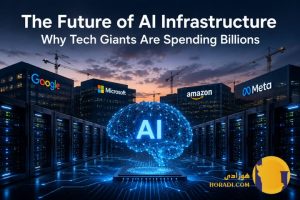
Major cloud providers continue building increasingly large facilities. These hyperscale campuses can require power levels comparable to small cities. Energy access now influences location decisions more than ever.
Developers actively compete for regions with strong grid capacity. Locations offering reliable electricity are attracting substantial investment. Power-rich markets have become strategic assets.
Hyperscale operators increasingly negotiate directly with utilities. Long-term agreements help secure electricity supplies for future expansion. Such partnerships are becoming industry standard practice.
The scale of development continues expanding worldwide. New facilities frequently exceed historical power requirements by wide margins. This trend highlights the growing intensity of AI infrastructure.
Nuclear Energy Returns to the Conversation
Interest in nuclear energy increased dramatically during the AI expansion era. Technology companies require reliable, carbon-free electricity available around the clock. Nuclear generation aligns closely with those objectives.
Small modular reactor technologies have gained significant attention. Supporters argue these systems could provide scalable energy solutions. Commercial deployment timelines remain an important consideration.
Several technology firms have explored partnerships with nuclear developers. These agreements seek long-term access to dependable electricity supplies. Investors are watching the sector with renewed interest.
Nuclear energy remains only one part of a broader strategy. Future electricity needs will likely require multiple generation sources. Diversity is becoming central to energy planning discussions.
Renewable Energy and Its Growing Role
Solar and wind generation continue expanding across global markets. Their declining costs make them attractive for long-term infrastructure planning. Technology companies remain major renewable energy purchasers.
Renewables help support corporate sustainability objectives. Many organizations seek cleaner energy sources for data center operations. Environmental considerations remain important despite rising demand.
Intermittency presents operational challenges for grid planners. Electricity production depends on weather conditions and time of day. Additional solutions are needed to ensure reliability.
Battery storage is becoming increasingly valuable in this environment. Storage systems help balance supply fluctuations and improve grid stability. Investment activity in this sector remains strong.
The Economics of AI Power Consumption
Electricity costs are becoming a larger component of AI operations. Organizations must account for energy expenses when evaluating deployments. Power efficiency can significantly influence profitability.
Infrastructure planning increasingly incorporates energy forecasts. Executives recognize that electricity availability affects growth potential. Capital allocation decisions reflect this reality.
Investors are paying closer attention to energy-related metrics. Power access may influence future competitive positioning across industries. The relationship between technology and utilities is strengthening.
Economic implications extend beyond technology companies. Manufacturing, construction, and energy sectors also benefit from infrastructure investment. The effects are spreading throughout the broader economy.
Energy Efficiency as a Competitive Advantage
Efficiency improvements have become a strategic priority. Reducing energy consumption lowers operational costs and infrastructure requirements. Companies increasingly invest in optimization technologies.
Advanced cooling systems are gaining industry attention. Liquid cooling solutions offer improved thermal management for dense workloads. Many new facilities incorporate these technologies.
Chip manufacturers are also pursuing greater efficiency. New processor designs aim to deliver more performance per watt. Innovation in hardware remains essential to long-term sustainability.
Areas of efficiency focus include
- Advanced cooling technologies
- AI workload optimization
- Efficient processor architectures
- Data center design improvements
- Power management software
Government Policy and Regulatory Responses
Governments increasingly recognize the strategic importance of data centers. Digital infrastructure plays a critical role in economic competitiveness. Policy discussions now include energy availability considerations.
Some jurisdictions are accelerating infrastructure approval processes. Officials hope to reduce delays affecting critical energy projects. Faster development could help address supply constraints.
Environmental objectives remain an important factor in policymaking. Leaders seek to balance economic growth with sustainability goals. Achieving both priorities requires careful planning.
International competition is also influencing policy decisions. Countries want to attract technology investment and AI development. Reliable energy infrastructure is becoming a key differentiator.
What the Power Crisis Means for Investors
The Data Center Power Crisis has created new investment themes. Energy infrastructure is attracting attention from institutional investors. Long-term demand projections support significant capital deployment.
Utility companies may benefit from rising electricity consumption. Infrastructure upgrades could drive substantial spending opportunities. Investors continue evaluating sector-specific implications.
Energy equipment manufacturers also stand to gain. Growing demand for grid modernization supports industry expansion. Supply-chain participants are experiencing increased interest.
Potential beneficiary sectors include
| Sector | Potential Opportunity |
|---|---|
| Utilities | Rising electricity demand |
| Grid Infrastructure | Modernization spending |
| Nuclear Energy | Long-term power supply |
| Battery Storage | Grid stabilization |
| Data Centers | AI infrastructure growth |
The Future of Power and Digital Infrastructure
The energy challenge is unlikely to disappear quickly. AI adoption continues expanding across industries and consumer applications. Electricity demand is expected to remain elevated.
Technology companies are adapting through long-term planning. Energy partnerships and infrastructure investments are becoming more common. Strategic power procurement is now essential.
Innovation will play a major role in addressing constraints. Advances in generation, storage, efficiency, and grid management are emerging. The pace of development remains significant.
The relationship between technology and energy sectors is deepening. Future economic growth increasingly depends on both industries succeeding together. Their convergence may define the next phase of digital transformation.
High-Authority Sources
The following organizations provide authoritative information on data center energy demand and power infrastructure trends
- International Energy Agency (IEA)
- U.S. Energy Information Administration (EIA)
- International Energy Agency Data Centres and AI Observatory
Final Verdict
The Data Center Power Crisis of 2026 represents one of the most significant infrastructure challenges of the AI era. Rapid growth in artificial intelligence has transformed electricity from a background operational expense into a strategic resource. Power availability now influences where companies build, invest, and innovate.
Utilities, governments, and technology firms must coordinate closely to address emerging constraints. Expanding generation capacity, modernizing grids, and improving efficiency will all be necessary. No single solution can meet future demand alone.
For businesses and investors, the intersection of AI and energy creates both risks and opportunities. Organizations that secure reliable power access may gain substantial competitive advantages. The future of digital infrastructure increasingly depends on energy infrastructure. The Data Center Power Crisis of 2026
FAQ
1. What is the Data Center Power Crisis of 2026?
The Data Center Power Crisis refers to growing electricity shortages and grid constraints. These issues stem largely from the rapid expansion of AI computing infrastructure. Power availability has become a major industry concern.
2. Why do AI data centers use so much electricity?
AI systems rely on high-performance processors operating continuously. Training and serving large models require substantial computational resources. This directly translates into significant energy consumption.
3. Which energy sources are supporting AI growth?
Utilities are utilizing a mix of nuclear, natural gas, solar, wind, and storage solutions. Each source contributes different reliability and scalability benefits. Most experts expect a diversified approach to continue.
4. How does the power crisis affect cloud computing?
Limited electricity availability can delay data center development. Cloud providers may face longer deployment timelines in constrained regions. Power access is increasingly a strategic consideration.
5. Is the Data Center Power Crisis an investment opportunity?
Many investors see opportunities across utilities, infrastructure, storage, and energy technology sectors. Growing electricity demand may support long-term industry expansion. However, investment decisions should always consider individual risk factors.